
Pneumonic Plague: What You Need to Know to Protect Your Family and Pets

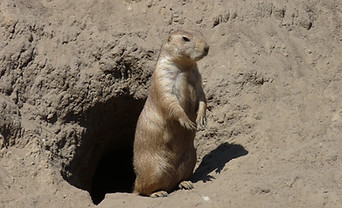

Coconino County Public Health has confirmed a rare human case of pneumonic plague. This is a serious but treatable illness caused by a bacteria that lives in wild rodents (like prairie dogs) and the fleas that bite them.
The person who passed away lived in Coconino County and may have been exposed by handling an infected animal. Health officials say this case is not related to a recent prairie dog die-off near Townsend-Winona.
What is Plague?
Plague is caused by a bacteria called Yersinia pestis. It lives in wild animals like prairie dogs, rabbits, and their fleas. People can get sick:
-
By touching or handling sick or dead animals
-
From infected flea bites
-
In rare cases, from pets who are sick with plague (especially cats)
How to Protect Yourself, Your Family, and Pets:
-
Do not touch wild animals or feed them, especially prairie dogs, squirrels, or rabbits.
-
Use bug spray (with DEET) when outside to prevent flea bites.
-
Keep dogs and cats flea-treated and away from rodent burrows.
-
Keep pets on a leash and don’t let them roam.
-
Clean up brush and trash around your home—it can attract rodents.
-
Don’t camp or sleep near prairie dog towns.
-
Watch pets closely for signs of illness. Cats are especially sensitive to plague.
-
Call your vet right away if your pet seems very sick, and let them know if your pet may have been near wild rodents.
Symptoms of Plague (in people):
-
Sudden fever
-
Chills and body aches
-
Swollen or painful lymph nodes (underarms, neck, or groin)
-
Weakness or trouble breathing
If you or someone in your home has these symptoms and may have been around wild animals or fleas, see a doctor right away. Plague can be treated successfully with antibiotics—but it’s important to start treatment early.
Report Sick or Dead Wildlife:
If you see a sudden die-off of prairie dogs or rabbits, contact:
-
Coconino County Animal Management: 928-679-8756
-
Environmental Health Services: 928-679-8760
For more information, visit: